Supporting Little Communicators to Learn, Grow and Blossom

Nurturing every child’s unique journey to confident communication

About

Nurturing every child’s unique journey to confident communication

We believe every child’s path to communication is unique. Through personalized, play-based, and family-centered therapy, we support children as they build the skills and confidence to express themselves and connect with others in their everyday lives. Our goal is to empower each child connect, communicate and express themselves with joy and confidence, every step of the way.

Playful and Fun
Playful and Fun
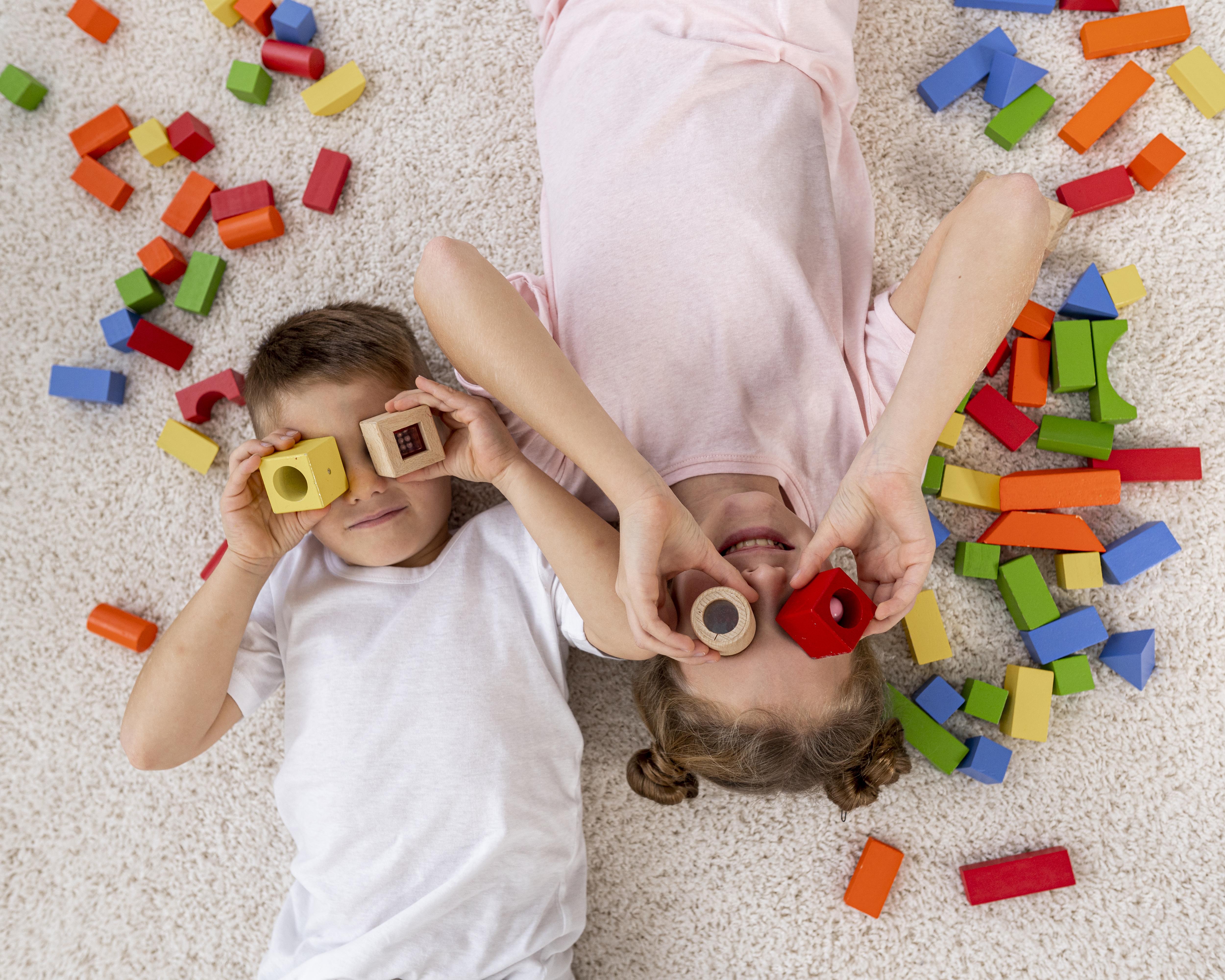
Using fun, natural play activities to encourage children to communicate. Play creates a relaxed, motivating environment where children feel free to explore language and practice new skills in a way that feels natural to them.
Family-Centered
Family-Centered
Families are at the heart of the therapy process. We work closely with parents and caregivers, coaching them to support their child’s communication every day, in familiar routines and environments. This partnership helps skills carry over beyond therapy sessions and into daily life.
Evidence-Based
Evidence-Based
Our therapy methods are backed by the latest scientific research and proven to be effective. This means we use strategies and techniques that have been tested and shown to help children make real progress.
Children playing

Services

Areas of Practice

Early language and communication

Early language and communication

This focuses on communication skills in babies, toddlers, and young children (typically under age 3–4). It’s about how young children understand and use language before they’re fully talking.

AAC

Augmentative and Alternative Communication (AAC)

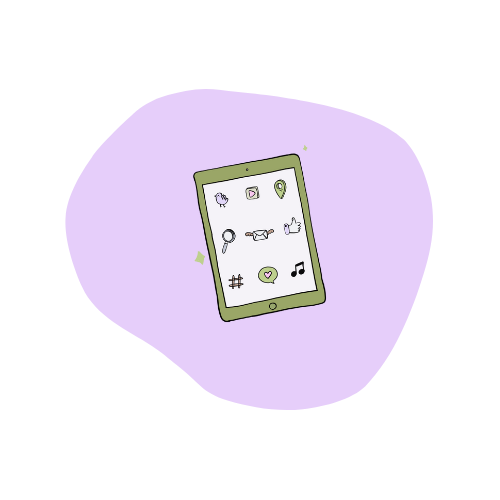
AAC includes tools or strategies to help children who have difficulty speaking. This could be low-tech (like picture boards or gestures) or high-tech (like a speech-generating tablet).

Social communication

Social communication

This area focuses on how children use language to connect with others in everyday situations. It includes understanding and using social rules in a way that respects each child’s natural communication style.

Speech

Speech

Speech refers to how we produce sounds and words so others can understand us. It includes the clarity, smoothness, and accuracy of how a child talks.

Language

Language

Language is about knowing and using words to communicate ideas, focusing on meaning rather than how words sound. It involves two main parts: receptive language, which is how well a child understands what others say (such as following directions, answering questions, and understanding word meanings), and expressive language, which is how a child uses words and sentences to clearly share thoughts and ideas.

Fluency

Fluency

Fluency is about how smoothly a child speaks. Some children have trouble with the flow of speech, like repeating sounds, stretching out words, or getting “stuck” when trying to talk. This is often called stuttering.

Literacy

Literacy

Literacy is your child’s ability to read, write, and understand words. It’s an important skill that helps them learn, communicate, and succeed in school and everyday life.

Locations

Therapy Locations

Children learn and grow best in environments where they feel safe, secure, and understood. Providing speech therapy in natural settings such as the home, school, or community allows children to develop communication skills within the routines and relationships they experience every day. This familiar and supportive approach helps build confidence and encourages meaningful, lasting progress in a way that fits naturally into their lives.

Kindergarten

Kindergarten

School

School

Home

Home

community

Community